In this section
Sound Selection: Creating a Sonic Palette
In music production, writing music is a given. Yet, there's another element that often goes overlooked: the timbre, texture, and tonal quality of the sounds you select. This process in music production, known as sound selection, is the unsung hero of many iconic tracks and the secret sauce behind the unique flavor of countless artists and entire genres. It's what gives a piece of music its distinct character and sets it apart in a crowded musical landscape. In this article, we'll explore the art and science of sound selection, how you can incorporate it into your music production practice, and tips for improving your sound library navigation.
If you're looking to spark creativity with new sounds, follow along with Pro Tools to access an expansive collection of samples, loops, instruments, and effects tailored for creators like you. Let's get started!
What is Sound Selection in Music?
Sound selection is the process of choosing specific sounds, effects, instruments, or samples that fit the vibe, mood, and direction of a musical piece. It encompasses everything from picking the right drum kit, bass line, and synth tone to deciding on the ambient background noises or vocal chops. The goal? To create a cohesive soundscape that captures the aesthetic you want to create.
Sound selection usually happens during the pre-production phase of music production and beat making. It acts as the blueprint for the rest of the creation process. By ensuring every sound is purposefully chosen and aligned with the project's vision, artists and producers set themselves up for a smoother transition into production and post-production phases. This attention to detail in the early stages often results in a more polished and resonant final product.
Why is Sound Selection Important?
Sound selection is pivotal in music production because it defines the overall aesthetic and feel of a track. It’s not just about choosing sounds; you're crafting an identity, setting the stage for the narrative you want your music to tell. By artfully blending sounds from various genres or pulling from a diverse palette, producers can invent entirely new subgenres or distinctive sonic signatures. This blending not only makes a track memorable but also sets the stage for innovation in the ever-evolving world of music.
Aside from helping to carve out a unique aesthetic, the sound selection process also plays a key role in ensuring clarity in your mix. When elements complement each other, there's less likelihood of frequency clashes, making the mixing process smoother. Additionally, curating the right sounds can help convey emotions, themes, and narratives more effectively. It's not just about technical precision; it's about creating an auditory experience that remains memorable. In essence, mastering sound selection is a step towards ensuring your productions don't just sound good, but they evoke feelings, create atmospheres, and establish your unique brand in the world of music.
How to select sounds for a song
One of the best ways to select sounds for a song is by listening to tracks in your favorite genre and identifying the sounds, instruments, and effects that align with your taste. You can then search for similar sounds in your DAW sound library or recreate them yourself using sound design techniques.
3. Choose Sounds That Work for Your Production
Once you have great sounds ready and organized, you can choose the ones that work for your project. While it's tempting to use every cool sound you stumble upon, the key is to select sounds that complement, rather than clash, with your production. Here are some tips to keep in mind while choosing sounds for a song:
- Avoid Frequency Masking: When two sounds occupy the same frequency range, they can mask each other, making it hard to distinguish either sound clearly. Choosing distinct, complementary sounds helps avoid this, ensuring every element in your track can shine without unnecessary interference. Try to ensure each sound occupies it’s own space in the frequency spectrum. Remember, less is more, focus on the essentials.
- Mixing Begins with Sound Selection: A common misconception is that mixing is where you fix any sound issues. In reality, the mixing process is made infinitely smoother when you begin with well-chosen sounds. The right sound from the outset requires less EQ, compression, and other processing.
- Consider the Song's Emotion and Feel: Every sound has an emotional impact. A harsh synth might be perfect for an aggressive track but could feel out of place in a soft ballad. Always ask if the sound supports the emotion you're trying to convey.
- Test Sounds in Context: Soloing a sound can be misleading. Always listen to how it fits within the arrangement. Does it enhance the mix, or does it muddy it?
- Simplicity Can Be Golden: Sometimes, less is more. Instead of layering multiple sounds, see if one perfectly chosen sound can carry the part. This minimizes potential clashing and creates a cleaner mix.
Stay Inspired with Monthly Bonus Content
With Pro Tools, you're not just getting a DAW—you're unlocking a vast universe of sound. Whether you're on a subscription or hold a perpetual license, Pro Tools equips you with an ever-expanding library to keep your sound fresh.
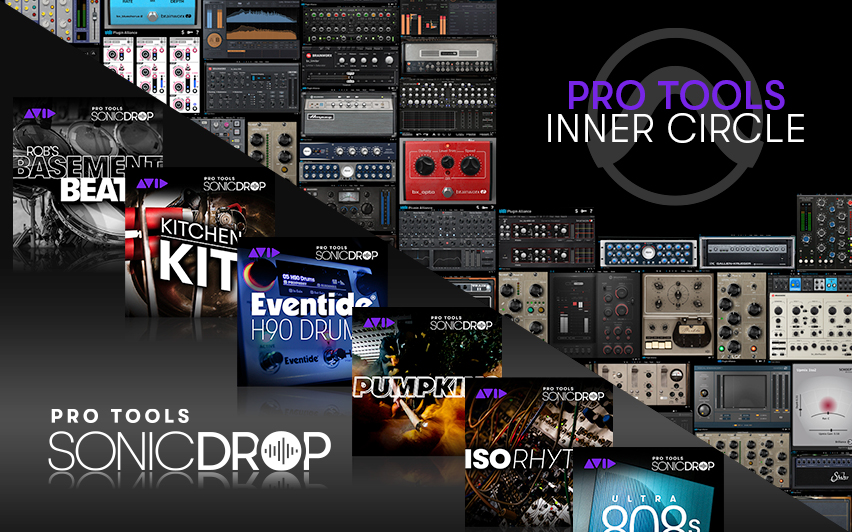
Inner Circle: Elevate your sound palette by claiming over $2,500 worth of top-tier plugins, sound libraries, and more. Dive into this treasure trove and discover tools that resonate with your unique style.
Sonic Drop: A monthly collection of loops and samples, crafted by multiplatinum artist and Avid sound designer, Matt Lange. These collections offer an array of samples, loops, and presets to enhance your productions.
4. Compare Sounds to Your Reference Track
Finally, compare your sounds to the reference track to see how close your sound selection matches your end goal. Don't be afraid to return to the drawing board and experiment with new sounds if things aren't right.
Alternatively, you can learn sound design to help you get the right sound. Sound design is more than just an artistic skill—it's a strategic tool in sound selection. When you understand the fundamentals of sound synthesis, you can easily modify presets to align with your vision. Instead of sifting through endless libraries, you can mold existing sounds or even create your own from scratch. A solid grasp on sound design means you can fine-tune or reverse-engineer any sound to fit your needs. For instance, see how Matt Lange transforms a simple saw wave into a Trance-ready synth using SynthCell in Pro Tools in the video below.
Find Your Sound
As you improve the way you select sounds, you'll have no problem picking the right samples and instruments to bring your ideas to life. But never turn your nose up at experimentation! While sound selection helps you define your project's aesthetic, genre, and mood, that doesn't mean you shouldn't try something new. Try combining sounds from different genres: the chord progressions of House music, the drums of Trap, who knows what you’ll get!
Some of the best songs came to be by thinking outside the box. Sound selection builds your foundation, but it's up to you to fine-tune as your creativity soars. Download your free copy of Pro Tools Intro to start experimenting with sound today!